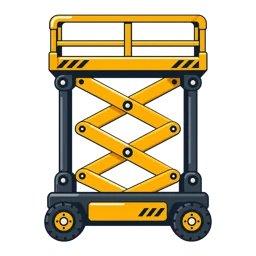
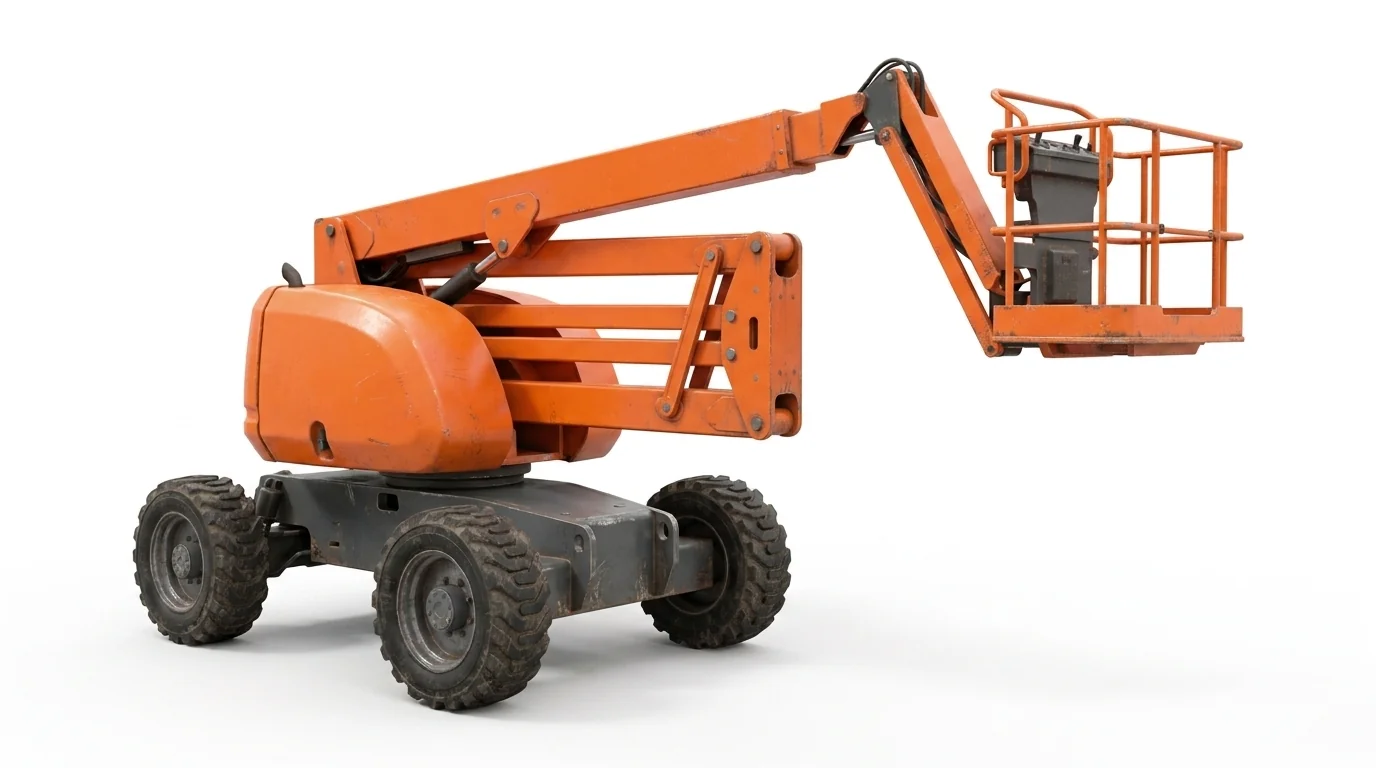
Two main aerial patterns
- Vertical platform work: scissor lifts provide wide, stable decks for tasks set directly overhead—ideal for lighting grids, signage, and repetitive façade runs.
- Horizontal outreach: articulating and telescopic booms place the basket over seating, conveyors, landscaping, or parapets where a scissor cannot sit below the work.
Explore scissor options at /electric-scissor-lift-rental/ and /rough-terrain-scissor-lift-rental/. For booms, see /boom-lift-rental/.
Nashville factors that change the comparison
- Indoor entertainment and production schedules favor low-noise electric lifts and compact footprints.
- Southeast corridor jobs frequently involve unfinished approaches and variable soils; rough‑terrain machines handle those paths better.
- Seasonal storms can restrict exterior windows; indoor-capable lifts keep maintenance moving under roof.
Measurements that decide the category
- Required platform height or boom working height to touch the task with room for tools.
- Narrowest access point from staging to the work zone, including doors, ramps, and aisles.
- Surface rating: slab-only versus rough‑terrain, both at the workface and along the travel path.
Common Nashville use cases
- Indoor rigging and lighting: electric slab scissor lifts.
- Warehouse maintenance and labeling: compact scissors or vertical masts at /vertical-mast-lift-rental/.
- Exterior cladding and utility runs: rough‑terrain scissor or a boom when obstacles block direct approach.
Actual conditions, the selected unit’s instructions, and site procedures govern elevated work.