Where straight booms excel locally
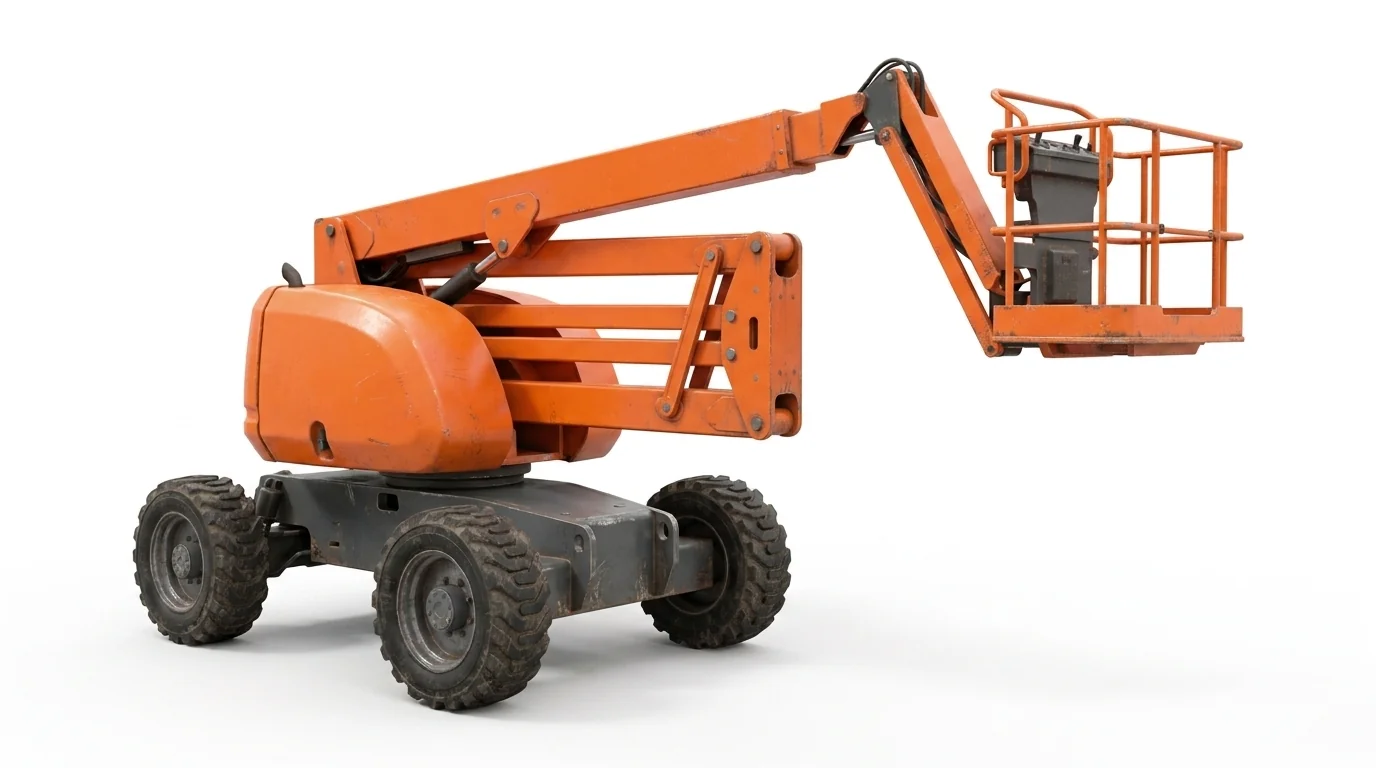
Open approaches are common around new shells, tilt-wall façades, and site lighting at industrial developments. A telescopic boom reaches out across setbacks, retention areas, or staging yards to hit high elevation points without repositioning. It’s also useful on large parking fields around event spaces where you can park well back and still reach signage or lighting poles.
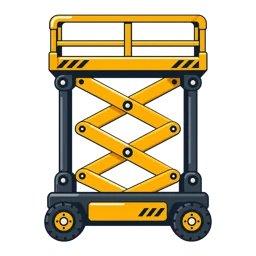
If ductwork, conveyors, or canopies block the path, compare an articulating model at /articulating-boom-lift-rental/. For strictly vertical tasks on slab, a scissor at /electric-scissor-lift-rental/ may fit better.
Ground and weather considerations in Middle Tennessee
Exterior straight-boom work frequently occurs on graded lots or mixed aggregate. Variable soils in the region can affect stability; rough-terrain configurations are typically considered for these surfaces. During peak storm seasons, wind and lightning forecasts may halt elevated exterior tasks. Many projects pair outdoor windows with interior scopes to keep crews productive.
Measurements that narrow the class
- Required horizontal outreach to clear setbacks and landscaping.
- Tip height needed for steel, signage, or upper-level glazing.
- Platform capacity to handle tools and material baskets typical to exterior installs.
- Access path width from the gate or dock to the setup spot; some sites around Nashville have tight security lanes.
Nashville use patterns
- Long-reach façade work on distribution buildings along the Southeast corridor.
- Exterior lighting and signage around large venues and parking areas.
- Steel erection and rooftop equipment placement where the approach is open.
For more aerial categories, see /boom-lift-rental/ or the overview at /aerial-lift-rental/.