Start with the task window and beam pattern
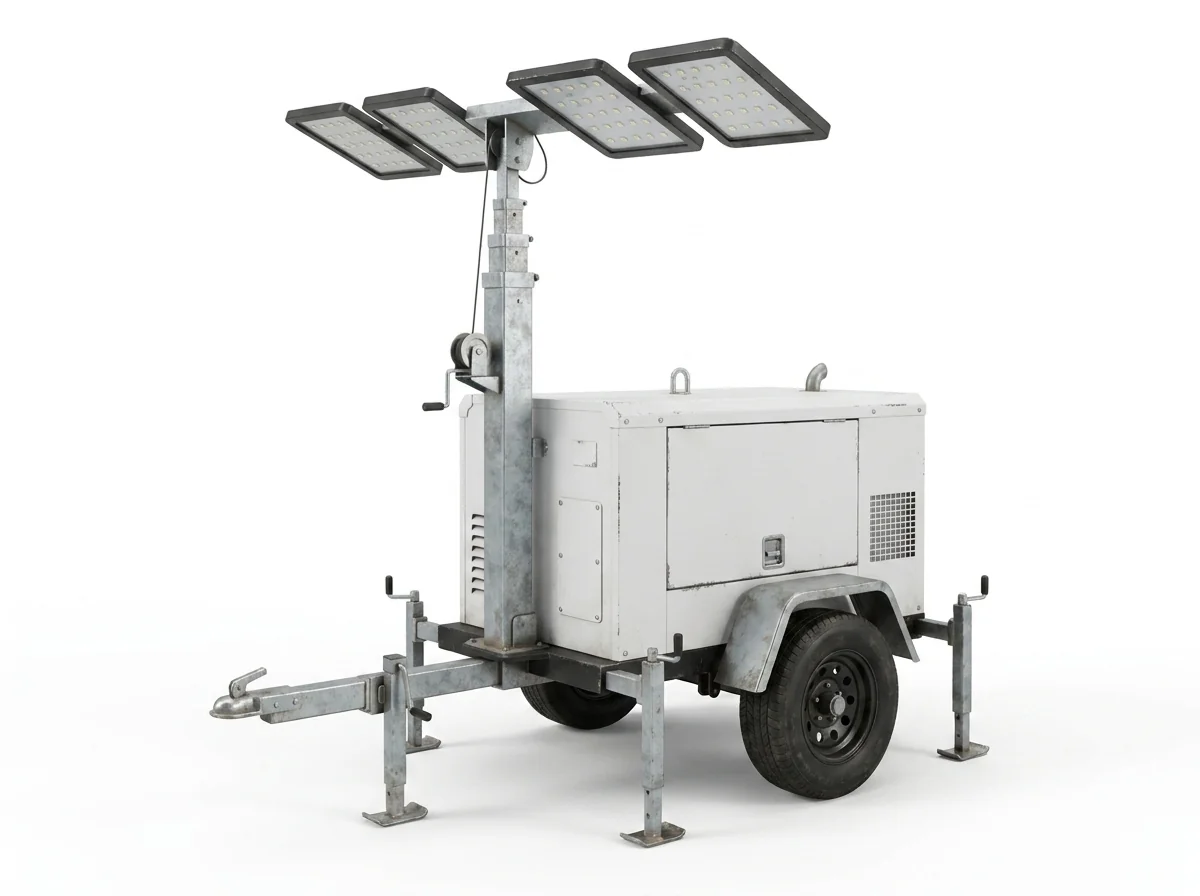
For lighting, define the time window, target area, and allowable glare. Event rigging and night shifts near production stages often need tighter beam control and quieter units than a patch lighting an industrial laydown yard. Measure the throw length, mast height clearance, and any obstacles that shade or block the light. If the tower must sit below the work, check whether the mast can reach over set walls, truss lines, or stacked freight.
Ground conditions change the choice in Nashville
Outdoor staging around Middle Tennessee can include variable soils and soft shoulders. Where the surface isn’t uniform, a rough‑terrain light tower with outriggers improves stability on uneven pads. On stable pavement or indoors, compact slab‑style or electric units reduce noise and fumes. Karst-prone areas with hidden voids increase the need to confirm a firm pad and to avoid concentrating point loads near edges or trenches.
Power planning for mixed-use sites
- Event and production: Prioritize low-sound generators with clean power for lighting, LED walls, and control gear. Keep cable runs short and protected across busy access routes.
- Distribution and construction: Favor fuel capacity and runtime for extended shifts. Consider weatherproof enclosures and wide temperature swings typical of the regional climate.
- Healthcare fit-outs and maintenance: Sensitive equipment calls for steady power quality. Confirm clearance for rolling through interior doors and freight elevators if placing units indoors.
Weather and scheduling
Spring storms and fast-moving cells can interrupt outdoor lighting plans. When severe weather is likely, indoor-capable towers and corded lighting inside distribution buildings reduce downtime. For exterior setups, factor wind exposure around open lots and elevated pads; mast height and footprint should match site procedures and the selected unit’s instructions.
Access routes and placement
Measure every pinch point from the drop area to the pad: curb heights, dock thresholds, door widths, aisle turns, and any grade changes. For sites along busy industrial corridors, plan staging that won’t block forklift or truck lanes. If the generator must sit remote from the task, calculate voltage drop and connector compatibility before finalizing cord runs.
Related equipment comparisons
- For elevated fixture aiming or focus: /vertical-mast-lift-rental/ and /aerial-lift-rental/
- For outdoor mast work on mixed ground: /rough-terrain-scissor-lift-rental/ and /articulating-boom-lift-rental/