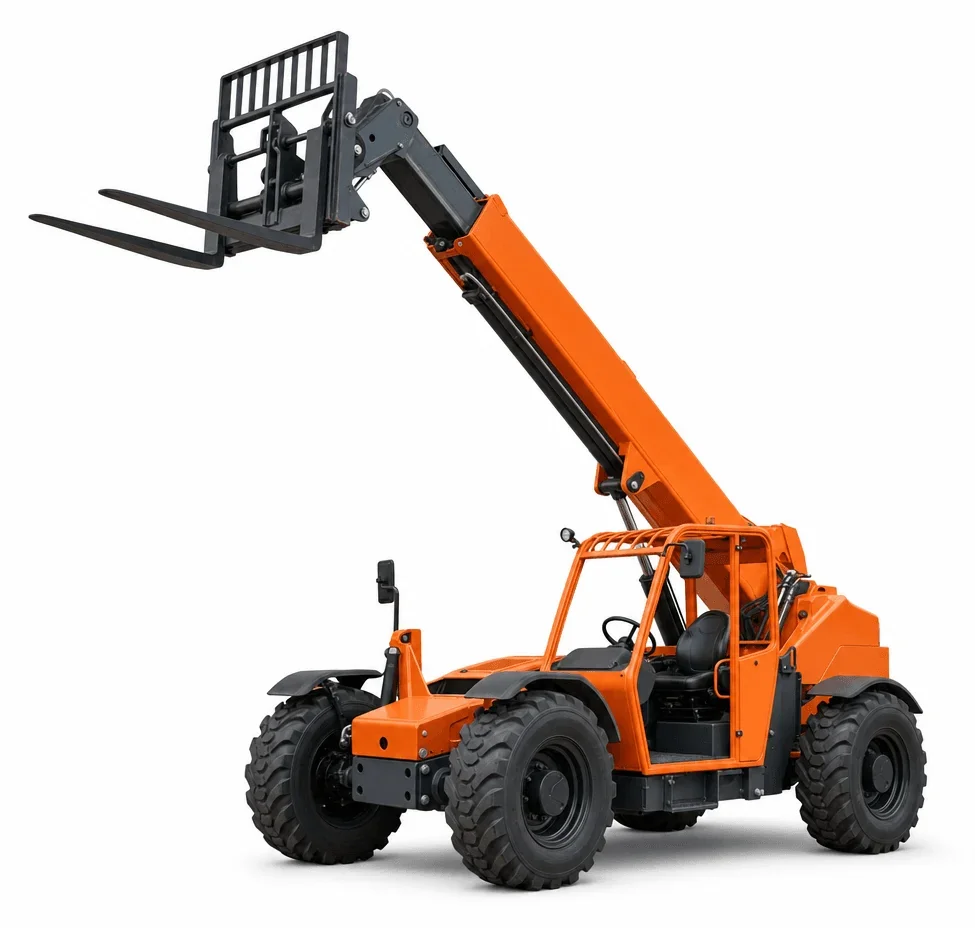
Define the placement envelope first
- Maximum landing height to decks or mezzanines.
- Required forward reach to clear setbacks, landscaping, or slab edges.
- Load class and center of gravity for typical pallets, duct sections, or glazing crates.
If materials only move on finished slab and aisles are tight, a forklift at /forklift-rental/ may be more efficient. For elevated personnel access rather than load placement, compare /telescopic-boom-lift-rental/ or /articulating-boom-lift-rental/.
Nashville ground and approach realities
Jobs around new distribution buildings and renovations often mix compacted fill, gravel, and soft spots. The region’s variable subsurface conditions increase the need to understand bearing strength along travel paths. Plan staging so the machine doesn’t straddle questionable areas. On active sites near venues, traffic control and narrow gate lanes can constrain turning radius and boom swing.
Weather windows and logistics
Storm seasons can compress exterior placement windows. Crews in Nashville commonly preload materials near the structure and use telehandlers to make short, efficient picks when conditions allow. When indoor transitions are needed, coordinate with slab loads and door clearances before moving off the lot.
Common Nashville applications
- Palletized MEP materials set to upper levels on industrial shells along the Southeast corridor.
- Finish packages placed over setbacks at medical and office projects.
- Event infrastructure offloading and staging around large venues where trucks can’t approach the final drop point.
For site support, temporary site protection and storage options at /temporary-fencing-barricades-rental/ and /storage-containers-rental/ can streamline logistics.