Placement and ground readiness
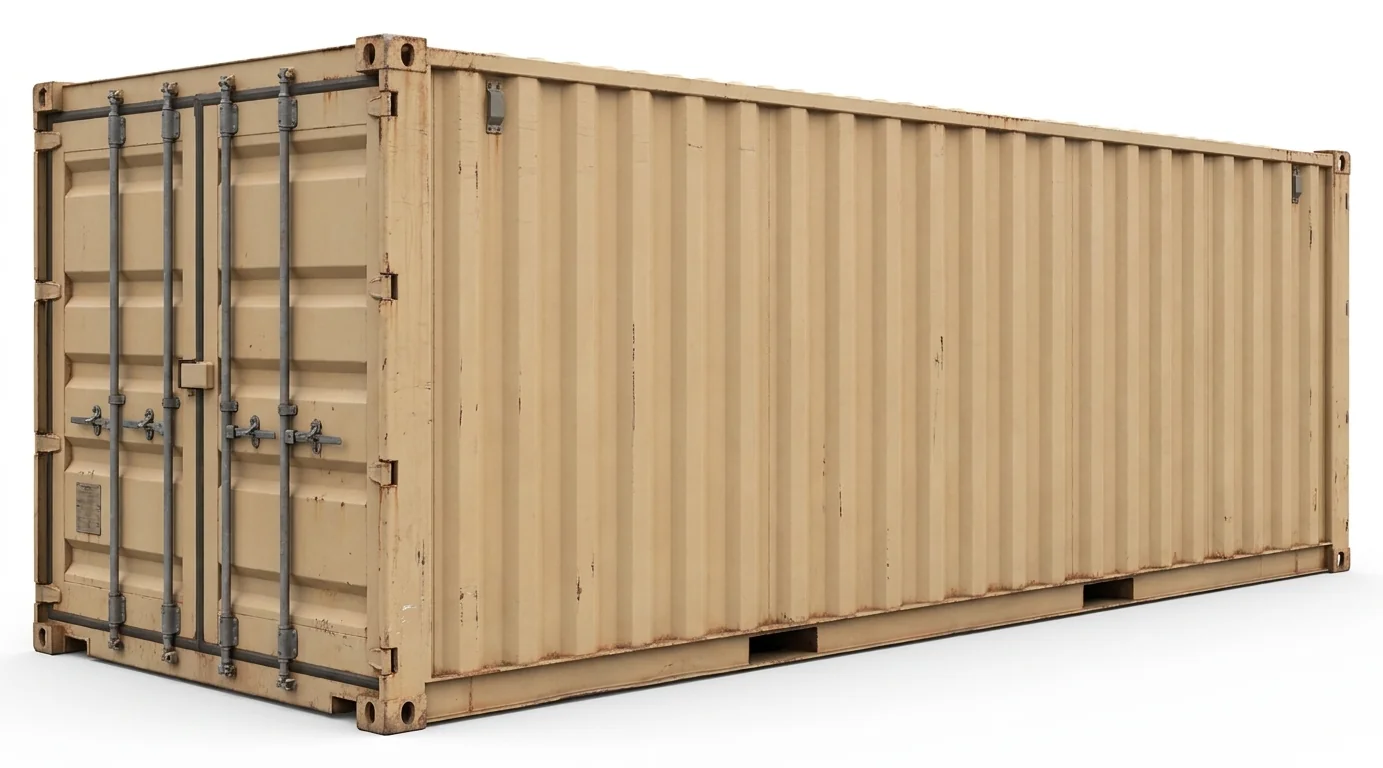
Set the container where crews actually load. In dense production environments or retrofit corridors, a few extra steps add real time. The surface matters just as much—variable soils around Middle Tennessee mean soft spots or hidden voids can appear after wet spells. A flat, well‑supported pad reduces racking and keeps doors operating within spec. On paved lots, verify slope so doors don’t bind.
Size, doors, and circulation
- Size: Match capacity to turnover. Event builds prefer short-term, high-access units near stages; industrial sites often need larger units with racking for pallets or long items.
- Doors: Wide openings and high headers help with carts and lifts. If forklifts service the container, confirm mast height and turning radius at the approach.
- Circulation: Keep lanes clear for trucks and material handling. Along busy distribution corridors, staging on the wrong side of flow can block docks at peak times.
Security and environmental factors
The regional climate brings heat, humidity, and severe-weather windows. Sensitive inventory benefits from ventilation or insulated options. For high-visibility entertainment areas, choose units that accept internal lighting and clear labeling so multiple teams can find gear quickly in pre-dawn call times.
Access route constraints
Measure gate widths, curb radii, and overhead obstructions from the street to the pad. Tight in-town lots and mixed-use sites may require a different delivery angle or a smaller container. If the pad sits below grade, ensure the delivery route supports the truck without loading soft shoulders.
Related equipment comparisons
- For unloading and placement at docks: /forklift-rental/ and /telehandler-rental/
- For overhead fixture installs inside containers or nearby: /electric-scissor-lift-rental/ and /vertical-mast-lift-rental/