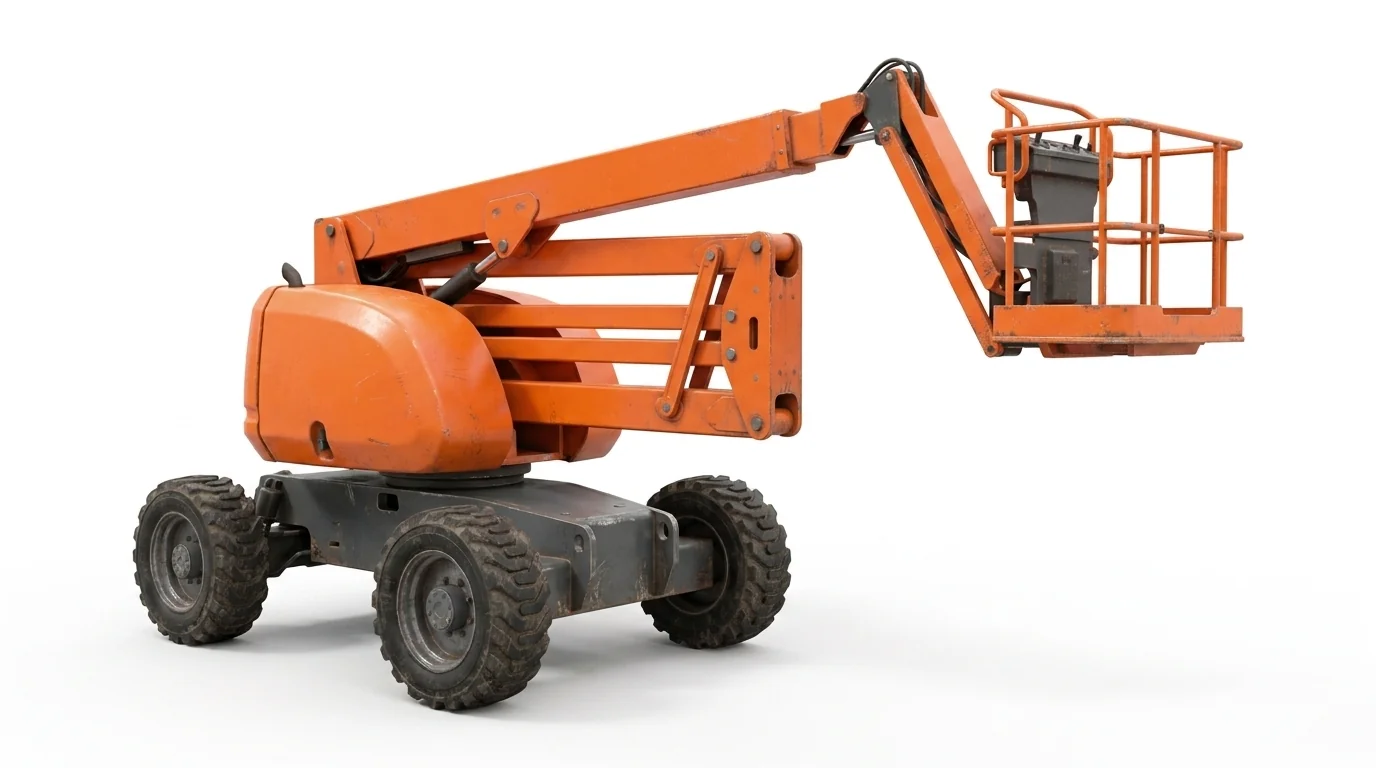
When an articulating boom makes sense in Nashville
Nashville jobs often mix interior changeovers and exterior punch lists on the same day. Production lighting, banner points, and catwalk maintenance call for up-and-over motion without rolling through set pieces. In the Southeast industrial corridor, mezzanines, racking, and utilities create overhead obstacles where straight-line reach is less useful than jointed articulation.
Key fit questions: - Can the base park under or behind the work while the boom folds up and over? - Are there obstacles like trusses, ducts, or conveyors that require a jointed riser? - Will the project shift indoors during storm windows when slab-safe, electric units are preferred?
Surface and weather conditions that change the pick
Middle Tennessee’s variable soils and occasional sinkhole-prone areas mean the surface under the machine matters. For paved, finished floors, look at electric articulating booms with non-marking tires. For jobs on mixed gravel or uneven staging lots, rough-terrain models with appropriate tires and rated grades are typically considered. Because the regional climate brings spring storm patterns, planning often alternates exterior work with indoor tasks; electric articulating units help keep schedules moving inside large venues or distribution buildings during high-wind forecasts.
If the work is mainly vertical with straight-line access across open ground, compare a straight boom instead at /telescopic-boom-lift-rental/. Where the task is directly overhead on slab with no reach-out need, a scissor platform at /electric-scissor-lift-rental/ may be more efficient.
Clearance, reach, and access path
- Horizontal outreach and up-and-over height govern whether the basket can clear parapets and signage.
- Platform capacity must account for tools common to rigging, HVAC, or signage work.
- Access path width, door heights, and turning radius at Nashville venues and industrial docks can be tight; measure pinch points before committing to a size class.
Typical Nashville use cases
- Entertainment rigging and lighting focus: set through aisles, reach over seating, then retract to back-of-house.
- Facility maintenance in healthcare and office towers: navigate around installed systems without relocating the base.
- Industrial upgrades along the Southeast corridor: reach over racking to utilities without dismantling aisles.
For broader aerial options, see /boom-lift-rental/ or compare categories at /aerial-lift-rental/.