Map the line and its pressure points
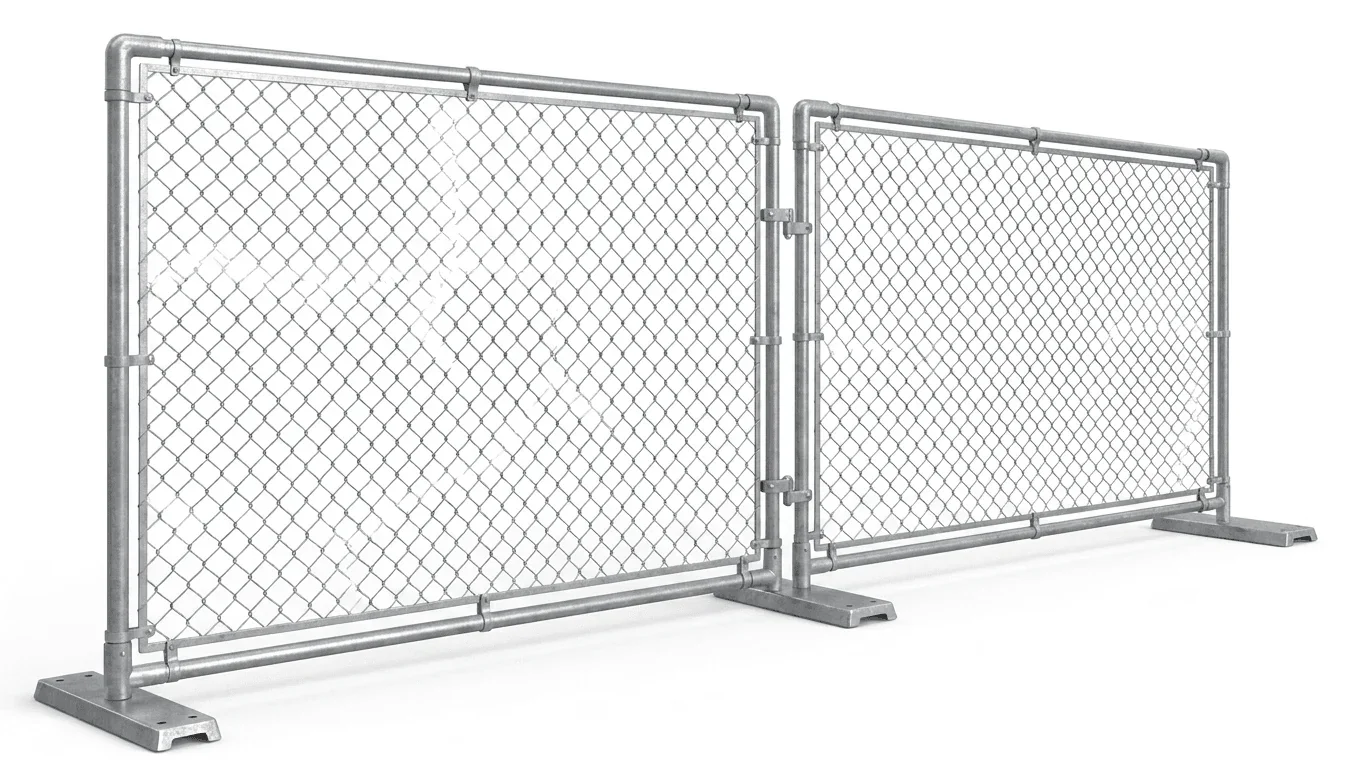
Crowd-facing edges near stages or exhibits see constant push and pivots. Vehicle gates at distribution sites take side loads from turns. Identify these high-pressure points first; they influence panel weight, site-stability factors needs, and how many gates the line requires to prevent bottlenecks.
Surface and stability in local conditions
Uneven or soft ground requires bases that spread load. In areas with variable subsurface conditions, a wider footprint and additional bracing reduce tilt or panel creep. On smooth pavement, low-profile bases help avoid trip hazards and allow equipment to cross without snagging.
Weather timing and reconfiguration
Spring storms can hit fast. Choose layouts that are practical to shorten, reinforce, or break into segments if forecasts shift. In exposed yards, taller signage and privacy screens increase wind load; account for that when spacing site-stability factors and bracing. Site procedures and the selected system’s limits control what’s acceptable during elevated winds.
Access, gates, and circulation
- Pedestrian lanes: Plan clear, glare-free paths for evening events. Lighting from towers should not blind entry points.
- Vehicle gates: Size for turning radii of box trucks and trailers common around local industrial sites.
- Emergency access: Keep straight runs where responders can enter without tight S-curves.
Nearby work area considerations
Nashville’s mix of indoor venues and fast-growing industrial zones means lines may straddle paved and unpaved sections. Expect transitions, cable covers, and grade breaks when designing the run.
Related equipment comparisons
- For lighting and power at entry points: /generators-light-towers-rental/
- For overhead banner or camera placements: /aerial-lift-rental/ and /articulating-boom-lift-rental/